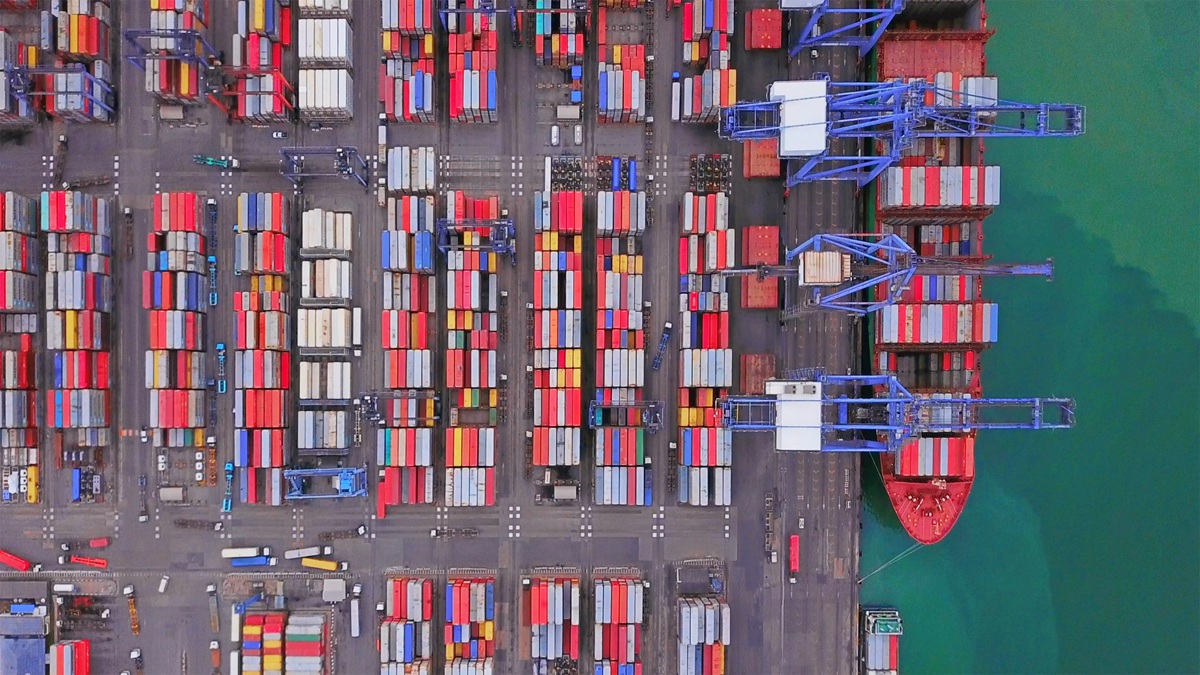
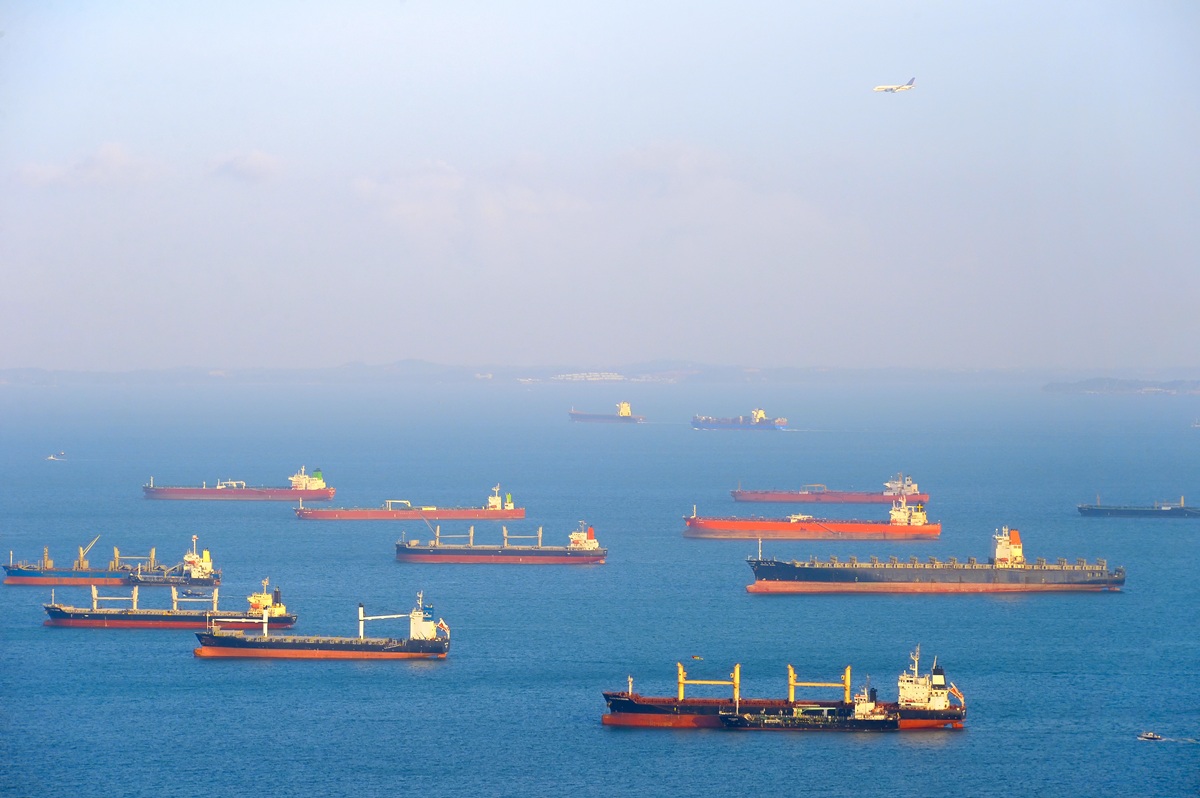
It’s hard to believe we’re almost at the end of another year. I want to sincerely thank you for your support and for choosing to work with us, it means a lot to myself and the whole team.
Wishing you and your families a happy, safe and enjoyable holiday season and we look forward to helping you move your goods around the world again next year.
Kane Dyson
CEO, Dyson Logistics
Public Holidays & Office Closures
(Dec 2025 – Jan 2026)
As we move into the Christmas and New Year period, it’s a good time to take stock of upcoming public holidays and shutdowns across Australia and key overseas markets. These closures can affect factory schedules, paperwork turnaround and shipping timelines, particularly if your cargo is due to move during the break.
If your goods are arriving while your warehouse is closed, or if you simply need breathing room before reopening, we can assist with short-term storage and secure holding options over the Christmas period to help keep your supply chain running smoothly.
Australia – Dyson Logistics Closure Dates
• Christmas Eve – 24 Dec 2025 (half day)
• Christmas Day – 25 Dec 2025
• Boxing Day – 26 Dec 2025
• New Year’s Day – 1 Jan 2026
• Australia Day – 26 Jan 2026China
• New Year’s Day – 1 Jan 2026
Note: Chinese New Year begins 17 Feb 2026, with slowdowns from early Feb.
United States
• Christmas Day – 25 Dec 2025
• New Year’s Day – 1 Jan 2026
India
• Christmas Day – 25 December 2025
• New Year’s Day – 1 Jan 2026
• Makar Sankranti / Pongal –14 January 2026
• Republic Day – 26 January 2026
Vietnam
• New Year’s Day – 1 Jan 2026
Note: Tết slowdown likely from 20 Jan 2026.
European Union (General) Common closures
• Christmas Day – 25 Dec 2025
• Boxing Day – 26 Dec 2025
• New Year’s Day – 1 Jan 2026
Note: Freight slowdowns often start from 20 Dec 2025.
US Reverses Food Tariffs on Australia
Donald Trump recently signed an executive order rolling back duties on more than 200 food-products, including Australian beef, coffee, bananas and other grocery items. The removal of the 10 % baseline tariff means US importers face lower cost barriers. Strong demand for Australian beef remains intact in the US market, so the change could improve margins or open up volume opportunities.
That said, broader US protectionist measures (e.g., tariffs on steel and aluminum) remain in place. If you export food or ingredients to the US, this is a good time to reassess your pricing and forecasts for early 2026.
Pro tips:
- Confirm with your US distributor/importer that they’ve updated their landed cost models to reflect the lower tariff.
- Review your production/supply chain capacity — if demand increases, you’ll want to ensure your domestic supply chain can keep pace.
Keep an eye on downstream cost pressures: although tariffs on beef have been removed, input costs (logistics, energy, labour) may still rise.
Need help evaluating your US food-export strategy? Chat with the team today.
Higher Container Terminal Fees Across Australia
On the domestic front, major terminal operators, including Patrick Terminals and DP World Australia, have issued formal notices of higher landside and ancillary fees, set to take effect 1 January 2026.
The cost increases span container access charges, Vehicle-Booking Systems (VBS), stack-run fees and other landside services (road/rail access, maintenance, infrastructure).
What this means for you:
If you’re bringing goods into Australia or exporting through these terminals, it’s worth planning for higher terminal charges from January. Building this into your budgets now can help avoid unexpected cost spikes down the line.
China Export Controls on High-Performance Lithium-Ion Battery Technology
China has introduced new export controls from 8 November 2025 on advanced lithium-ion batteries and related materials used in EVs, robotics, energy storage and high-performance electronics. This means extra compliance steps for anyone importing battery-powered products or components.
The new 300 Wh/kg threshold targets some of the most cutting-edge battery technology currently available. As China is the primary global supplier, these changes may affect availability, lead times and pricing for Australian businesses.
What’s Covered:
• Lithium-ion cells/packs ≥ 300 Wh/kg
• Cathode materials
• Graphite anode materials
• Battery manufacturing equipment
• Dual-use technologies now requiring export licences
What You Can Do:
Ask suppliers for updated HS codes, compliance statements, and lead-time forecasts from 8 November onwards.
We expect more clarity from Chinese authorities as licensing requirements settle in through early 2026.
Global Freight Snapshot: Capacity Tightening & Weather Disruptions
Rates on Asia–Australia routes remain steady, but the market is tightening as we move into December. Several carriers have reintroduced Peak Season Surcharges, and space across major lanes is becoming harder to secure.
Ongoing typhoons across East and Southeast Asia are causing vessel delays, port closures and schedule changes at major hubs including Shanghai, Ningbo and parts of the South China coast. These disruptions are flowing on to transhipment ports like Singapore and Hong Kong, where some dwell times and missed connections are being reported.
Australia is also seeing pockets of port congestion, particularly in Sydney during weather events and periods of high yard utilisation. This can mean slower container availability and occasional delays on vessel discharge.
What this means for you:
- Time-sensitive shipments may experience longer and less predictable transit times.
- Space is harder to secure on popular pre-Christmas sailings.
- Cargo routed via major transhipment hubs may face additional 3–7 day delays.
Our Pro Tips:
- Book 2–3 weeks earlier than usual for any shipments arriving December and January.
- Build in extra lead-time if your freight moves via Singapore, Hong Kong or major Chinese ports.
Flag critical cargo with us early so we can secure space and monitor schedule changes.
Need help planning around December disruptions? Let’s review your upcoming shipments.
We’re Here to help
At Dyson Logistics, we recognise that the global trade and customs environments are evolving rapidly. Whether you’re navigating a sudden tariff change, managing a complex freight route, or adapting to new customs requirements, our team is here to help.
Let us simplify your international shipping challenges with reliable service and expert advice tailored to your industry.
Please reach out to your Dyson Logistics representative today or call (02) 8339 1844 to talk about how we can help with your upcoming shipments or compliance needs.
Global Movements is your monthly insider guide to keeping shipments on track and costs under control. Subscribe today.
Local service – Delivered globally