Global trade conditions continue to shift quickly, making it harder for businesses to plan with confidence. Costs, routes and timelines are changing more frequently, even week to week.
While global pressures remain, we’re starting to see early signs of easing in container rates and local fuel costs, a welcome shift after sustained pressure.
This month, we’ve also highlighted new government support programs designed to help Australian businesses build resilience in uncertain conditions.
As always, if you’d like to talk through what this means for your shipments, we’re here to help.
Kane Dyson
CEO, Dyson Logistics
Update: Middle East Disruptions
Ongoing instability in the Middle East is continuing to disrupt global energy supply chains, with flow-on effects now firmly impacting freight costs and reliability.
While only around 3% of container trade moves through the Strait of Hormuz, the region remains critical for global oil and gas supply. Reduced output is tightening availability and pushing up fuel costs worldwide.
For Australian businesses, the impact is indirect but significant. Much of our refined fuel is sourced from Asia, particularly Singapore, which relies heavily on Middle Eastern crude.
This is driving:
- Emergency Bunker Surcharges (EBS)
- War risk and conflict surcharges (ECS)
- Rising air freight fuel surcharges
We’re also seeing operational disruptions, including suspended airline routes and shifting shipping schedules.
What this means for you
Expect continued volatility in freight pricing. While fuel-related surcharges remain in place, we are starting to see early signs of easing in some areas as fuel prices soften.
Our tip
Build flexibility into your landed cost calculations and allow extra buffer time for shipments moving through affected regions.
Chat to our team about managing rising freight costs.
Fuel Surcharge Reduced as Diesel Prices Ease
We’re starting to see early signs of relief in domestic transport costs with reductions in Fuel surcharges.
This follows a recent easing in diesel prices, with suppliers adjusting rates in line with improving market conditions.
Importantly, fuel surcharges continue to be applied strictly as a cost recovery mechanism, not a margin driver, meaning reductions are passed through as soon as they are viable.
Freight Rates Ease, But Port Congestion Builds
After months of upward pressure, global container rates are starting to stabilise.
Recent data from the Drewry World Container Index shows container rates beginning to ease after earlier increases driven by fuel costs and global disruptions. This aligns with early signs of easing cost pressures in some parts of the supply chain, although conditions remain changeable.
Closer to home
- Southbound rates are levelling out
- Competitive spot rates are emerging
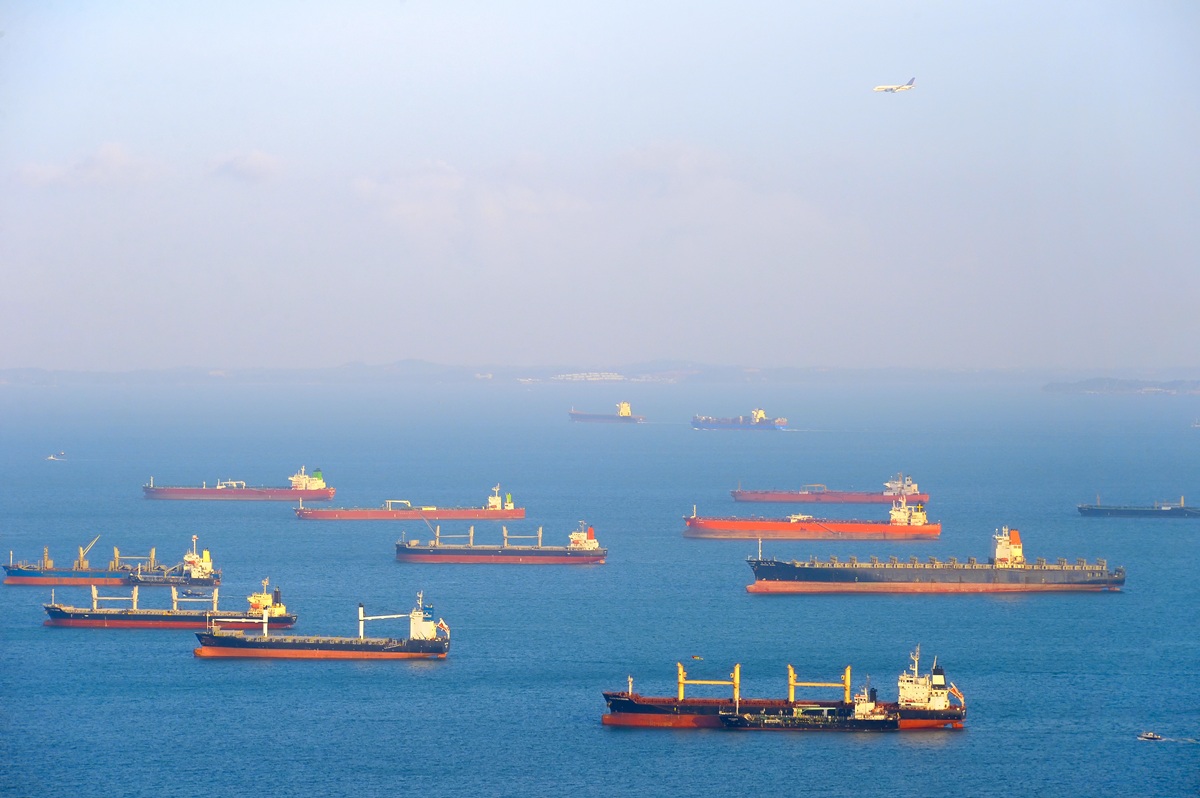
However, major ports, including Shanghai, Ningbo-Zhoushan, Qingdao, Busan, Antwerp-Bruges, and Hamburg, are experiencing ongoing congestion.
Why this matters
Even if freight rates soften, delays can still disrupt inventory planning.
What to do now
- Review lead times
- Book earlier where possible
- Stay in contact with your Dyson Account Manager
$1 Billion Economic Resilience Program Announced
The Australian Government has launched a $1 billion Economic Resilience Program to support industries impacted by global disruptions.
The program offers zero-interest loans to eligible manufacturing businesses in sectors such as freight, fuel, plastics, and fertiliser that have been materially impacted by market disruptions, including ongoing conflicts and rising global input costs.
What this means for you
There may be funding available to help offset disruption-related costs or invest in resilience.
Applications for loans through the program open on 20 April 2026.
Visit the website to find out more at Economic Resilience Program | National Reconstruction Fund Corporation.
Austrade Launches Trade Resilience Service (TRS)
In response to the ongoing conflict in the Middle East, the Australian Government has also established the Trade Resilience Service (TRS), delivered by Austrade, to help exporters navigate global supply chain disruptions.
The TRS is a temporary 12-month initiative (from April 2026) that provides practical intelligence, insights, and advice through Austrade’s Go Global Toolkit. It will operate alongside the Accessing New Markets Initiative (ANMI), supporting businesses in diversifying and building resilience.
The free service is primarily aimed at SMEs, though insights are accessible to all Australian businesses. Leveraging government and industry expertise, the TRS will:
- Provide intelligence on freight availability, pricing and insurance
- Support SMEs in making informed operational decisions
- Engage major exporters to strengthen system-wide resilience
- Share insights across government and the Trade Diversification Network (TDN)
We’re Here to help
At Dyson Logistics, we recognise that the global trade and customs environments are evolving rapidly. Whether you’re navigating a sudden tariff change, managing a complex freight route, or adapting to new customs requirements, our team is here to help.
Let us simplify your international shipping challenges with reliable service and expert advice tailored to your industry.
Please reach out to your Dyson Logistics representative today or call (02) 8339 1844 to talk about how we can help with your upcoming shipments or compliance needs.
Global Movements is your monthly insider guide to keeping shipments on track and costs under control. Subscribe today.
Local service – Delivered globally