As we head into February, we’re seeing cost pressures re-emerge across global shipping and port operations, alongside the usual seasonal disruptions around Lunar New Year.
For Australian importers and exporters, this means planning ahead is more important than ever, especially when it comes to timing, budgets, and compliance. In this month’s update, we break down what’s changing, why it matters, and how to stay one step ahead.
Kane Dyson
CEO, Dyson Logistics
2026 Shipping Surcharges & Port Cost Increases Take Effect
From January 2026, a new wave of shipping surcharges and port cost increases has begun flowing through global supply chains.
Shipping lines have rolled out higher Bunker Adjustment Factors (BAFs) and new emissions-related surcharges across major trade lanes, including Asia–Australia, Europe, and the Pacific. These increases are being driven by fuel price volatility, ongoing geopolitical diversions, and tighter capacity management by carriers.
At the same time, EU Carbon Border Adjustment Mechanism (CBAM) compliance is starting to influence freight costs. While CBAM is a regulatory framework, carriers are passing on administrative and carbon-related charges, particularly on cargo transiting through EU ports or involving carbon-intensive goods such as steel, aluminium, fertilisers, and cement.
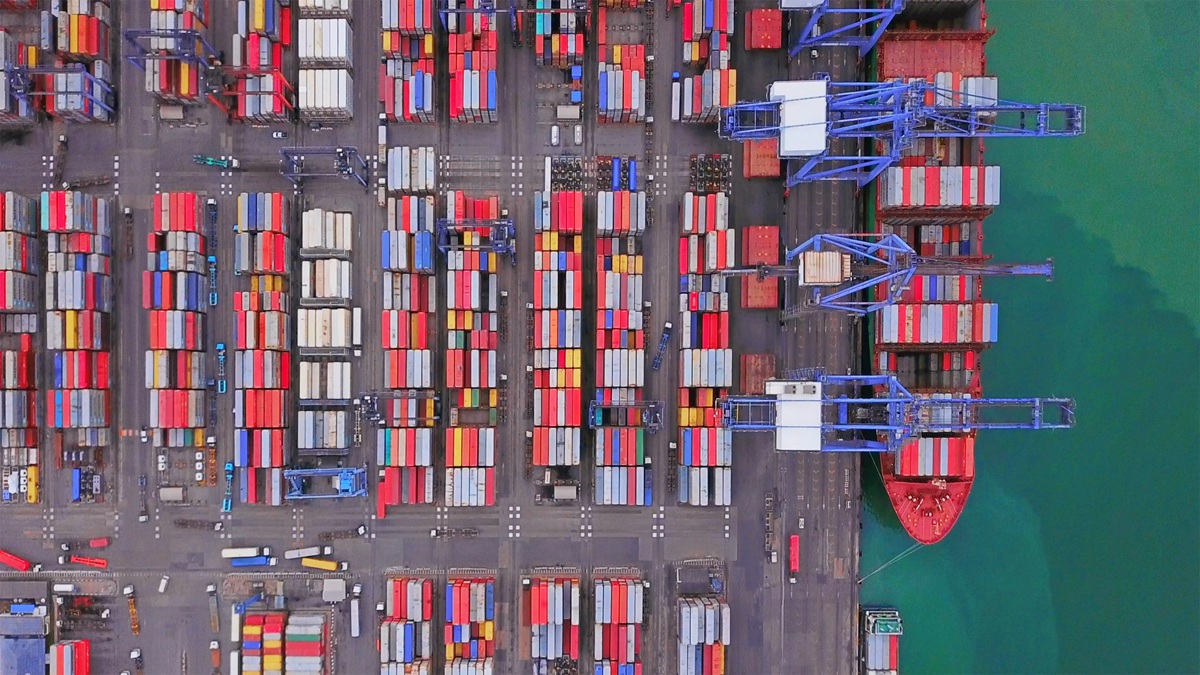
Closer to home, Australian terminal operators increased landside and terminal handling charges from 1 January 2026.
These annual adjustments affect:
- Container receipt and delivery
- Storage and detention
- Ancillary terminal services
The increases apply across major ports including Melbourne, Sydney, Brisbane, and Fremantle.
Why this matters
Even modest fee increases can compound quickly across a shipment, especially for businesses that import regularly or operate on tight margins.
Chat to us today about how we can help keep your costs down.
Blank Sailings Increase Ahead of Lunar New Year
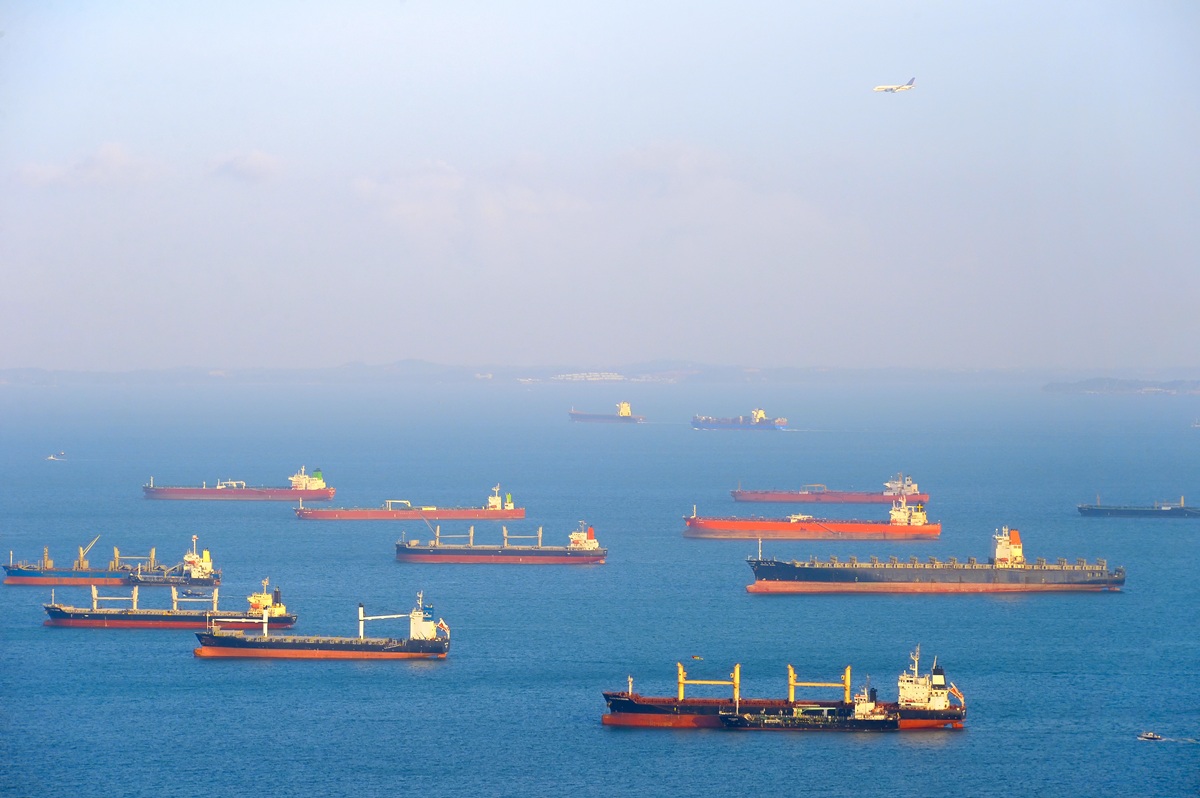
Carriers servicing the China–Australia trade lane have announced multiple blank sailings, i.e. cancelled sailings, in the lead-up to and during Lunar New Year, which runs from 17 February through to the Lantern Festival on 3 March.
Blank sailings are a common strategy during this period, allowing carriers to manage reduced factory output and stabilise freight rates. However, for importers and exporters, fewer sailings can mean longer lead times, earlier cut-offs, and reduced flexibility.
What this means for you
• Fewer weekly sailings from China
• Potential rollovers if bookings miss cut-off
• Short-term rate volatility as capacity tightens
Our pro tip
If your cargo is time-sensitive, aim to ship before mid-February or plan for extended transit times into March.
Get in touch for tailored advice on your China shipments.
Port & Landside Charges: What Importers Should Watch
Terminal handling and landside charges don’t always grab headlines, but they’re a growing part of total logistics costs for Australian businesses.
With annual fee increases now in effect, importers should expect higher costs related to:
• Container storage
• Vehicle booking systems (VBS)
• Late receivals and extended dwell times
Congestion or missed slots can quickly add unplanned costs, particularly during peak periods or public holiday weeks.
Next steps
• Confirm free storage days
• Lock in delivery as early as possible
• Align warehouse availability with vessel arrival windows
Chat with our team about reducing landside costs.
Tariff Classification Under Scrutiny in 2026
Australian Border Force continues to place strong emphasis on tariff classification accuracy, particularly for:
• Machinery and equipment
• Automotive parts
• Electrical goods
• Composite or multi-use products
Incorrect classifications, even if unintentional, can trigger reassessments, back-duty payments, and compliance reviews.
Our pro tip
If you’ve:
• Introduced new products
• Changed suppliers or specifications
• Expanded into new markets
…it’s worth revisiting your classifications now rather than during an audit.
Need a classification check before your next shipment? Chat to us today.
We’re Here to help
At Dyson Logistics, we recognise that the global trade and customs environments are evolving rapidly. Whether you’re navigating a sudden tariff change, managing a complex freight route, or adapting to new customs requirements, our team is here to help.
Let us simplify your international shipping challenges with reliable service and expert advice tailored to your industry.
Please reach out to your Dyson Logistics representative today or call (02) 8339 1844 to talk about how we can help with your upcoming shipments or compliance needs.
Global Movements is your monthly insider guide to keeping shipments on track and costs under control. Subscribe today.
Local service – Delivered globally